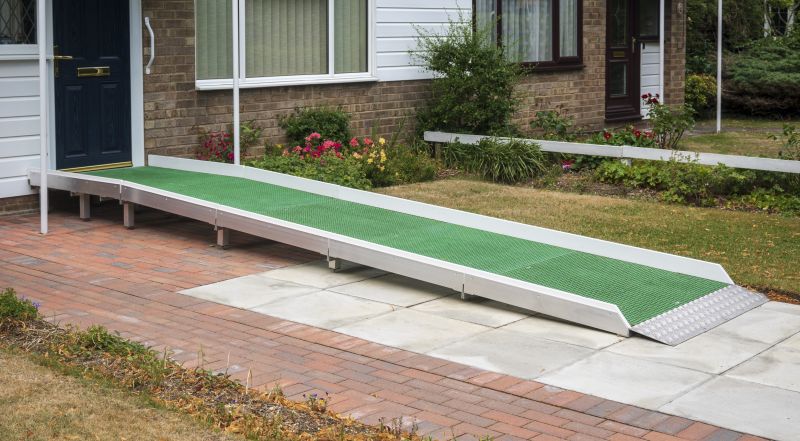
Residential Ramp Installation in Wilmington, NC
Residential ramp installation services involve designing and constructing accessible ramps to improve entryways for individuals with mobility challenges or to accommodate moving heavy or bulky items. These projects can include installing ramps at front or back entrances, alongside stairways, or in garages and patios. Homeowners often seek these services to enhance safety, comply with accessibility needs, or facilitate easier access for wheelchairs, walkers, or strollers. Before requesting a ramp installation, property owners typically want to understand the required space, the types of materials best suited for their property, and any local building codes or regulations that may influence the project.
Understanding the scope of a residential ramp installation also involves considering the slope, height, and overall design to ensure safe and comfortable use. Property owners usually want to know whether the installation will match the existing exterior aesthetic and how durable the materials are for outdoor conditions. It’s helpful to clarify the accessibility needs, whether for temporary or permanent use, and to assess any potential obstructions or terrain challenges on the property. This information helps ensure the project meets safety standards and provides long-lasting, functional access solutions.
Many property owners in Wilmington, NC look into Residential Ramp Installation for repairs, replacements, upgrades, and appearance-related improvements.
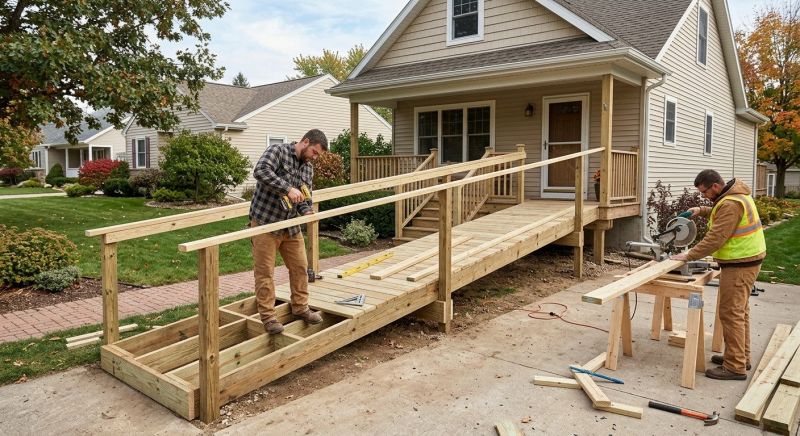
Accessible Entry Solutions
Residential ramps provide safe and easy access for individuals with mobility challenges.
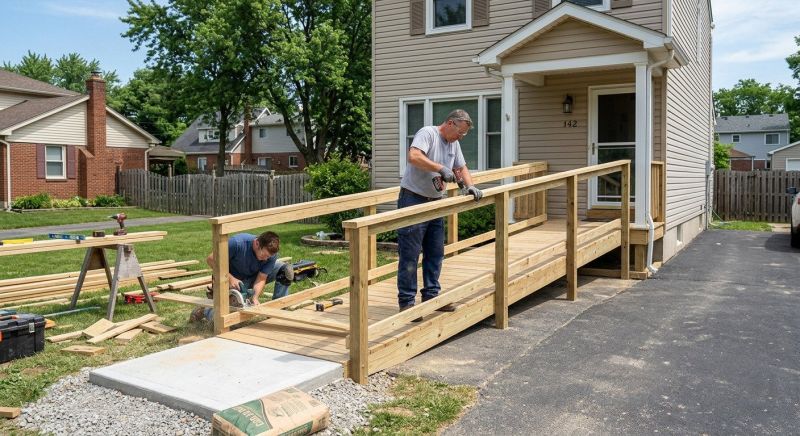
Custom Ramp Designs
Ramps can be tailored to fit various property layouts and aesthetic preferences in wilmington, nc.
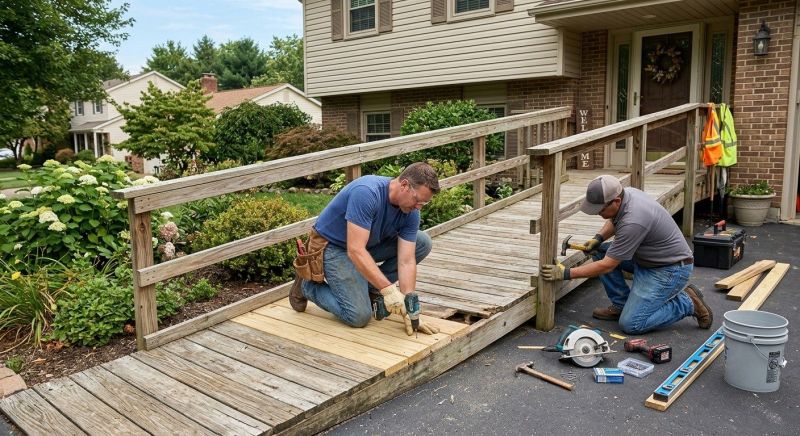
Durable And Safe Construction
Quality materials ensure that residential ramps are sturdy, slip-resistant, and built to last.
Residential Ramp Installation in Wilmington, NC
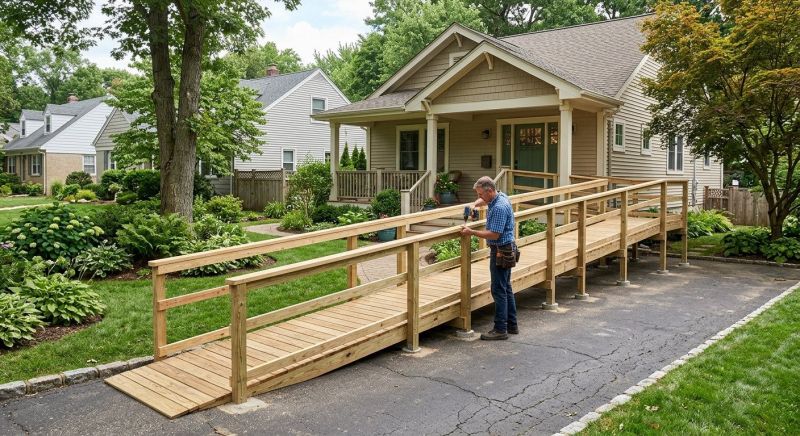
Residential ramp installation services involve designing and constructing accessible ramps to improve entryways for individuals with mobility challenges or to accommodate moving heavy or bulky items. These projects can include installing ramps at front or back entrances, alongside stairways, or in garages and patios. Homeowners often seek these services to enhance safety, comply with accessibility needs, or facilitate easier access for wheelchairs, walkers, or strollers. Before requesting a ramp installation, property owners typically want to understand the required space, the types of materials best suited for their property, and any local building codes or regulations that may influence the project.
Understanding the scope of a residential ramp installation also involves considering the slope, height, and overall design to ensure safe and comfortable use. Property owners usually want to know whether the installation will match the existing exterior aesthetic and how durable the materials are for outdoor conditions. It’s helpful to clarify the accessibility needs, whether for temporary or permanent use, and to assess any potential obstructions or terrain challenges on the property. This information helps ensure the project meets safety standards and provides long-lasting, functional access solutions.
Many property owners in Wilmington, NC look into Residential Ramp Installation for repairs, replacements, upgrades, and appearance-related improvements.
Common Residential Ramp Installation Jobs
Residential ramp installation - provides safe and accessible entryways for homes and properties.
Wheelchair ramp setup - creates smooth, sturdy pathways for mobility device users.
Porch and step ramps - enhances accessibility for homes with elevated entrances.
Temporary ramp solutions - offers quick access modifications for short-term needs.
Custom ramp design - ensures proper fit and compliance with property layout.
Outdoor ramp construction - improves safety and convenience for outdoor entry points.
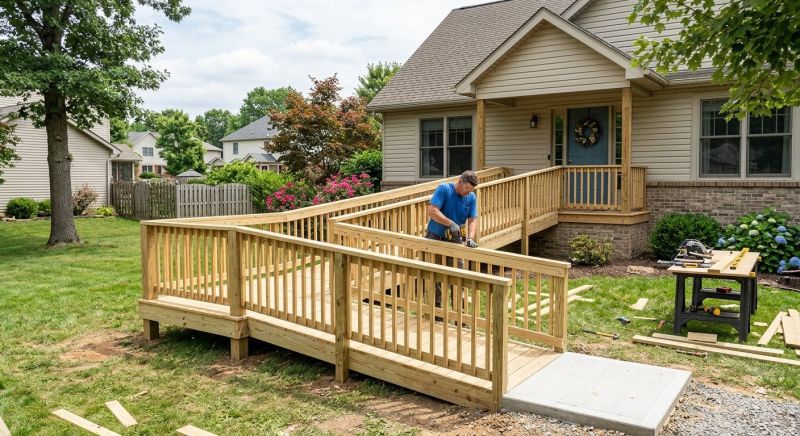
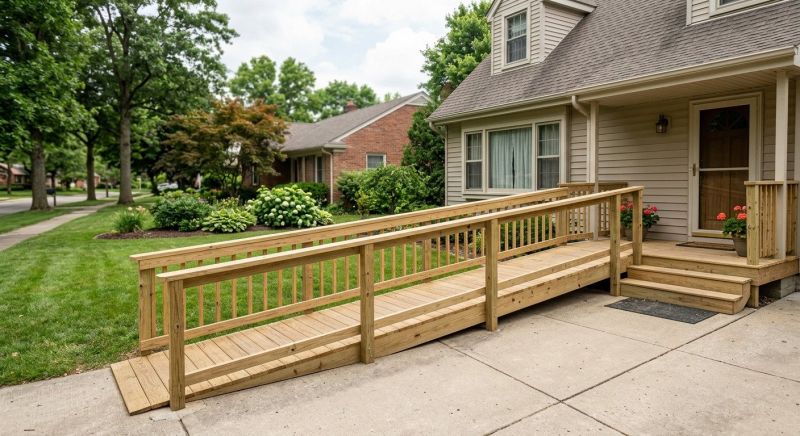
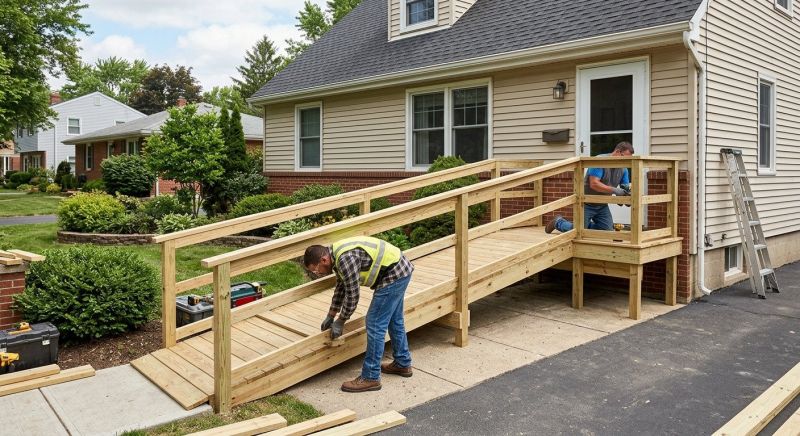
Residential Ramp Installation Questions
What types of residential ramps are available? There are various options including portable, modular, and custom-built ramps to suit different property needs and accessibility requirements.
How is a residential ramp installed? Installation involves assessing the site, preparing the foundation, and securely attaching the ramp to ensure stability and safety.
Who should consider installing a residential ramp? Homeowners and property owners seeking improved accessibility for individuals with mobility challenges or for easier movement of equipment.
What materials are used for residential ramps? Common materials include aluminum, wood, and composite, chosen for durability, weather resistance, and aesthetic compatibility.
Request Residential Ramp Installation in Wilmington, NC
Use the quote form on this page to share the basics of your project and request more information for the type of work you need.